

Stay Steady: Fall Prevention Tips for Older Adults
Falls are one of the most common safety concerns for older adults, but they should never be viewed as an unavoidable part of aging. During Fall Prevention Awareness Week, it is important for families and caregivers to take a closer look at the everyday factors that can increase fall risk and the simple changes that can help older adults remain safe, confident, and independent.
For older adults living with dementia, fall prevention can require even greater attention. Changes in memory, judgment, depth perception, balance, and awareness of surroundings can make it more difficult to recognize hazards or respond safely to them.
Why Falls Matter
A fall can have consequences that extend far beyond a bruise or minor injury. For an older adult, a fall may lead to fractures, hospitalization, reduced mobility, fear of falling again, and a loss of independence.
Sometimes the fear of falling becomes a problem of its own. An older adult may begin avoiding walking, exercising, social activities, or leaving the house. Over time, less movement can contribute to muscle weakness and actually increase the risk of another fall.
Prevention is not about limiting independence. It is about creating an environment that allows an older adult to move through daily life as safely and confidently as possible.
Look at the Home Through a Safety Lens
Many falls happen during ordinary activities such as getting out of bed, walking to the bathroom, stepping into the shower, or moving through a poorly lit hallway.
Small changes can make a significant difference.
Keep walkways free of clutter. Secure or remove loose rugs. Make sure frequently used areas have adequate lighting, especially hallways, bathrooms, and stairways. Install grab bars where appropriate and consider non-slip surfaces in the bathroom.
Items that are used regularly should also be kept within easy reach. Repeatedly climbing onto stools, bending too far, or reaching overhead can create unnecessary risk.
For someone living with dementia, simplicity is especially important. A home that is easy to navigate can reduce confusion while helping the person maintain as much independence as possible.
Pay Attention to Changes in Mobility
Slower walking, difficulty standing from a chair, holding onto furniture while walking, or becoming hesitant on stairs may be signs that an older adult's mobility has changed.
These changes should not simply be dismissed as aging.
Strength, balance, vision, medications, blood pressure, pain, footwear, and certain medical conditions can all influence fall risk. Families should communicate noticeable changes to the person's healthcare provider.
Physical and occupational therapy can also be valuable resources. These professionals can help identify mobility challenges, recommend exercises, suggest assistive devices, and evaluate how safely a person moves within the home.
Medication Can Play a Role
Some medications may contribute to dizziness, drowsiness, changes in blood pressure, or difficulty with balance.
Older adults often take several medications at the same time, making regular medication reviews especially important.
Families should never stop or change a medication without medical guidance, but they can ask a physician or pharmacist whether any prescriptions, over-the-counter medications, or supplements may increase fall risk.
Footwear Matters More Than People Think
Shoes that are loose, worn down, slippery, or difficult to walk in can increase the likelihood of a fall.
Supportive, properly fitting footwear with good traction can provide greater stability. Walking around in socks on smooth floors may also create a slipping hazard.
This may seem like a small detail, but fall prevention is often about recognizing several small risks before they become one serious problem.
Fall Prevention and Dementia Care
Dementia can change the way a person processes the environment.
A dark rug may look like a hole. A shiny floor may appear wet. Changes in flooring patterns may create hesitation. A person may forget to use a walker or may attempt an activity they can no longer complete safely.
This is why dementia care requires more than simply telling someone to "be careful."
The environment should support the person's abilities.
Clear pathways, consistent furniture placement, good lighting, appropriate supervision, familiar routines, and gentle reminders can all help reduce risk without making the person feel constantly corrected or restricted.
Safety Should Protect Independence, Not Replace It
Families sometimes respond to a fall by trying to prevent the older adult from doing anything independently. While the instinct comes from concern, too much restriction can contribute to weakness, frustration, and loss of confidence.
The goal should be appropriate support.
Encourage safe movement. Allow the person to participate in activities they can still perform. Provide assistance where it is needed while preserving choice and dignity whenever possible.
Fall prevention works best when safety and independence exist together.
A Fall Can Be a Warning Sign
If an older adult experiences a fall, especially more than once, it is important to look beyond the fall itself.
Ask what changed.
Was the person dizzy? Did they trip over something? Were they rushing to the bathroom? Was the room poorly lit? Did their medication recently change? Are they experiencing weakness, pain, or vision problems?
Understanding why a fall occurred can help prevent the next one.
Creating a Safer Path Forward
Fall Prevention Awareness Week is an important reminder that protecting older adults does not require waiting until an accident happens.
Families can begin by observing how their loved one moves throughout the home, identifying potential hazards, discussing changes with healthcare professionals, and making thoughtful adjustments that support both safety and independence.
At Sharper Care Co., we believe quality care should always protect the whole person — their safety, dignity, comfort, abilities, and right to remain involved in their own daily life.
Fall prevention is not simply about preventing an injury.
It is about helping older adults continue moving through life with confidence.

When Is It Time to Stop Correcting Someone With Dementia?
One of the most difficult lessons families learn in the dementia journey is that logic does not always lead to comfort.
Many caregivers find themselves correcting their loved one throughout the day.
"No, Mom, Dad passed away years ago."
"You retired 20 years ago. You don't have to go to work."
"That's not your house anymore."
While these responses come from a place of honesty and love, they can unintentionally create confusion, anxiety, and heartbreak for a person living with dementia.
So when is it time to stop correcting someone with dementia?
The answer may be sooner than you think.
Understanding Their Reality
Dementia affects the brain's ability to process, store, and retrieve information. As the disease progresses, a person may begin living in memories that feel just as real to them as the present moment feels to you.
Imagine waking up every day believing you are 35 years old, only to be repeatedly told that decades have passed, people you love have died, and your life looks completely different than you remember.
That would be overwhelming for anyone.
For a person living with dementia, these moments can feel frightening and disorienting.
Ask Yourself One Question
Before correcting your loved one, ask yourself:
Will correcting them improve their quality of life right now?
If the answer is no, it may be better to respond to the emotion rather than the facts.
For example:
If your mother asks, "When is your father coming home from work?" and your father passed away years ago, correcting her may force her to experience that loss all over again.
Instead, you might say:
"You miss him today, don't you?"
Or
"Tell me about your favorite memory with him."
This approach acknowledges her feelings without causing unnecessary distress.
Validation Is Not Lying
Many families worry that validating a person's reality means they are being dishonest.
In reality, validation is a communication technique that prioritizes emotional well-being.
The goal is not to argue about facts.
The goal is to reduce fear, build trust, and preserve dignity.
When someone with dementia says something that isn't factually accurate, they are often expressing a need, memory, fear, or emotion.
If a loved one insists they need to pick up their children from school, they may not actually be worried about school. They may be expressing a lifelong identity as a parent and a desire to care for someone.
Listen for the emotion beneath the words.
When Correction Is Necessary
There are times when gentle redirection or correction is appropriate, especially when safety is involved.
For example:
Taking medication incorrectly
Leaving the house alone when unsafe
Attempting to drive when they can no longer do so safely
Using appliances in a dangerous way
In these situations, protecting safety takes priority.
However, even then, calm redirection is often more effective than confrontation.
Choosing Connection Over Correction
As caregivers, we often want our loved ones to see the world as we do.
But dementia changes the way a person experiences reality.
Sometimes the kindest thing we can do is stop trying to pull them into our world and instead meet them where they are.
When we choose connection over correction, we reduce stress for both the caregiver and the person living with dementia.
And often, that simple shift transforms difficult moments into meaningful ones.
In Conclusion…
The next time your loved one says something that isn't quite accurate, pause before correcting them.
Ask yourself whether they need the truth in that moment or whether they need comfort.
Because in dementia care, preserving a person's dignity and emotional well-being is often more important than proving a point.
At Sharper Care Co., we believe that compassionate dementia care begins with understanding, patience, and meeting people where they are in their journey.
Sometimes the greatest gift we can give is not correction.
It's connection.
Why Routine Matters in Dementia Care More Than People Realize
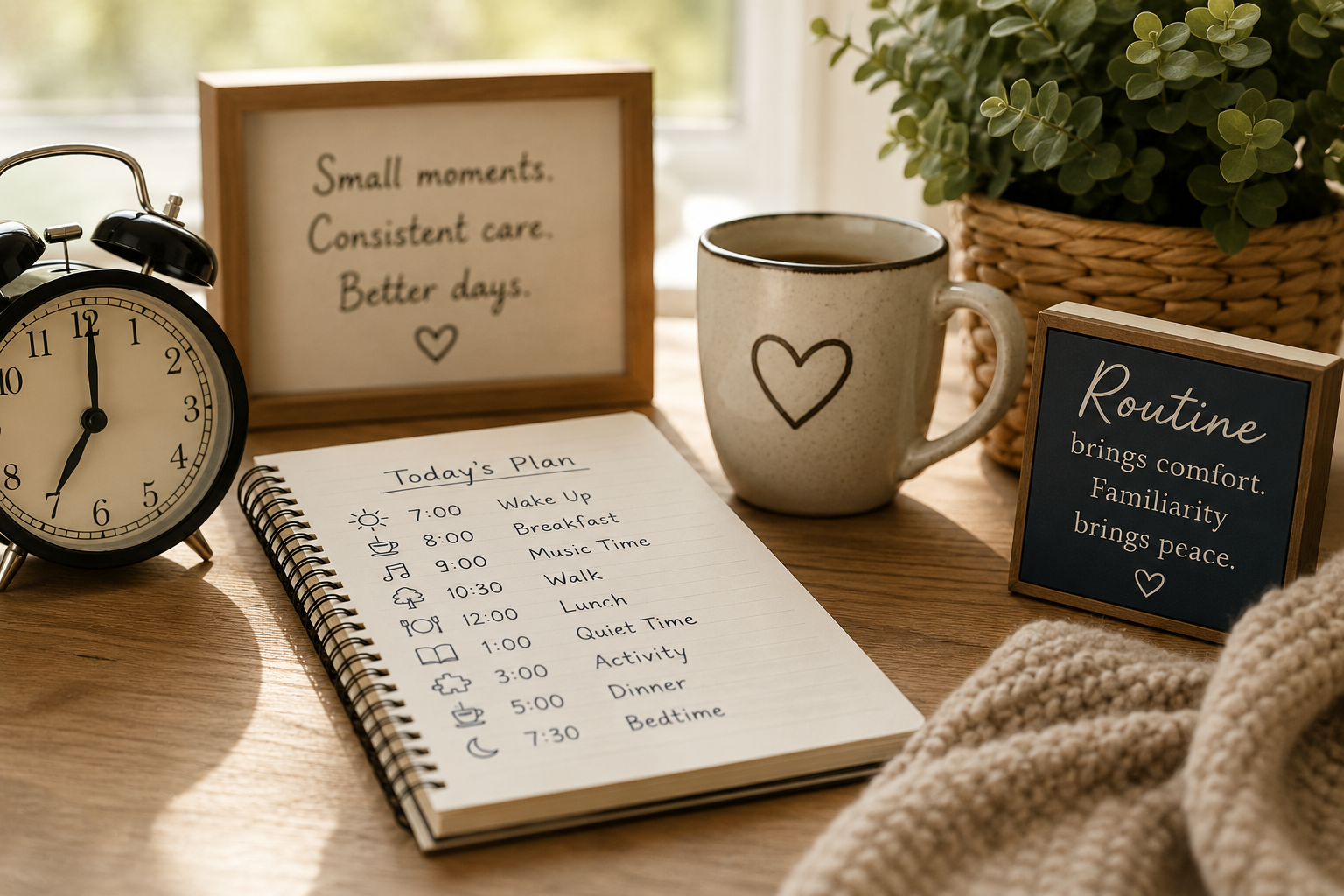
When families think about dementia care, they often focus on memory loss first. although that is a challenge for someone living with dementia, the feeling of being disoriented/confusion is much more of a burden than forgetfulness.
That is why routine matters more than many people realize.
A consistent daily routine can help reduce confusion, lower anxiety, improve cooperation with care, and create a stronger sense of safety. Small repeated moments begin to feel familiar, even when memory changes.
Something as simple as waking up at the same time each morning, eating meals consistently, listening to familiar music, or following the same bedtime routine can make a meaningful difference.
At Sharper Care Co., we believe routines should never feel robotic or rushed. They should feel intentional, calming, and person centered. A routine is not just a schedule. It is a form of reassurance.
We often see behaviors families describe as “agitation” or “resistance” improve once consistency is introduced into the environment. Sudden changes, overstimulation, loud environments, or unpredictable caregiving approaches can increase stress for someone already struggling to process information.
This is why quality dementia care requires more than basic supervision. It requires observation, patience, and understanding the person behind the diagnosis.
Helpful ways families can support routine at home:
• Keep meal and sleep times consistent
• Reduce unnecessary noise and overstimulation
• Use visual reminders and familiar objects
• Avoid rushing transitions between activities
• Incorporate meaningful activities throughout the day
• Maintain familiar caregivers whenever possible
Most importantly, remember this: Routine is not about control. It is about helping someone feel safe in their environment again. That feeling matters deeply.
Brain Health and Aging: Supporting the Mind as We Grow Older
Older Americans Month is a time to recognize the value, wisdom, and contributions of older adults. It is also a reminder that healthy aging is not only about the body, but about the brain.
Brain health plays a major role in independence, memory, mood, and overall quality of life. While some cognitive changes are a natural part of aging, there are meaningful ways to support and strengthen brain function over time.
At Sharper Care Co, we see daily how small habits and consistent care can help older adults stay more engaged, confident, and connected.
The Brain Changes With Age, But It Is Still Active
Aging does not mean the brain stops working well. It means it may process information more slowly or take longer to recall details. This is normal.
What matters most is maintaining stimulation, routine, and social connection. The brain continues to adapt and respond throughout life, especially when it is regularly engaged.
Movement Supports Memory
Physical activity is closely linked to brain health. Movement increases blood flow to the brain, which supports memory and thinking skills.
This does not require intense exercise. Walking, stretching, chair exercises, or light movement throughout the day can make a difference. The key is consistency, not intensity.
Social Connection Protects Cognitive Health
Isolation is one of the biggest risk factors for cognitive decline. Regular conversation, shared meals, and meaningful interaction help keep the brain active.
Even simple daily exchanges can support orientation, emotional regulation, and memory retention. Being seen and heard matters more than people realize.
Mental Stimulation Keeps the Mind Active
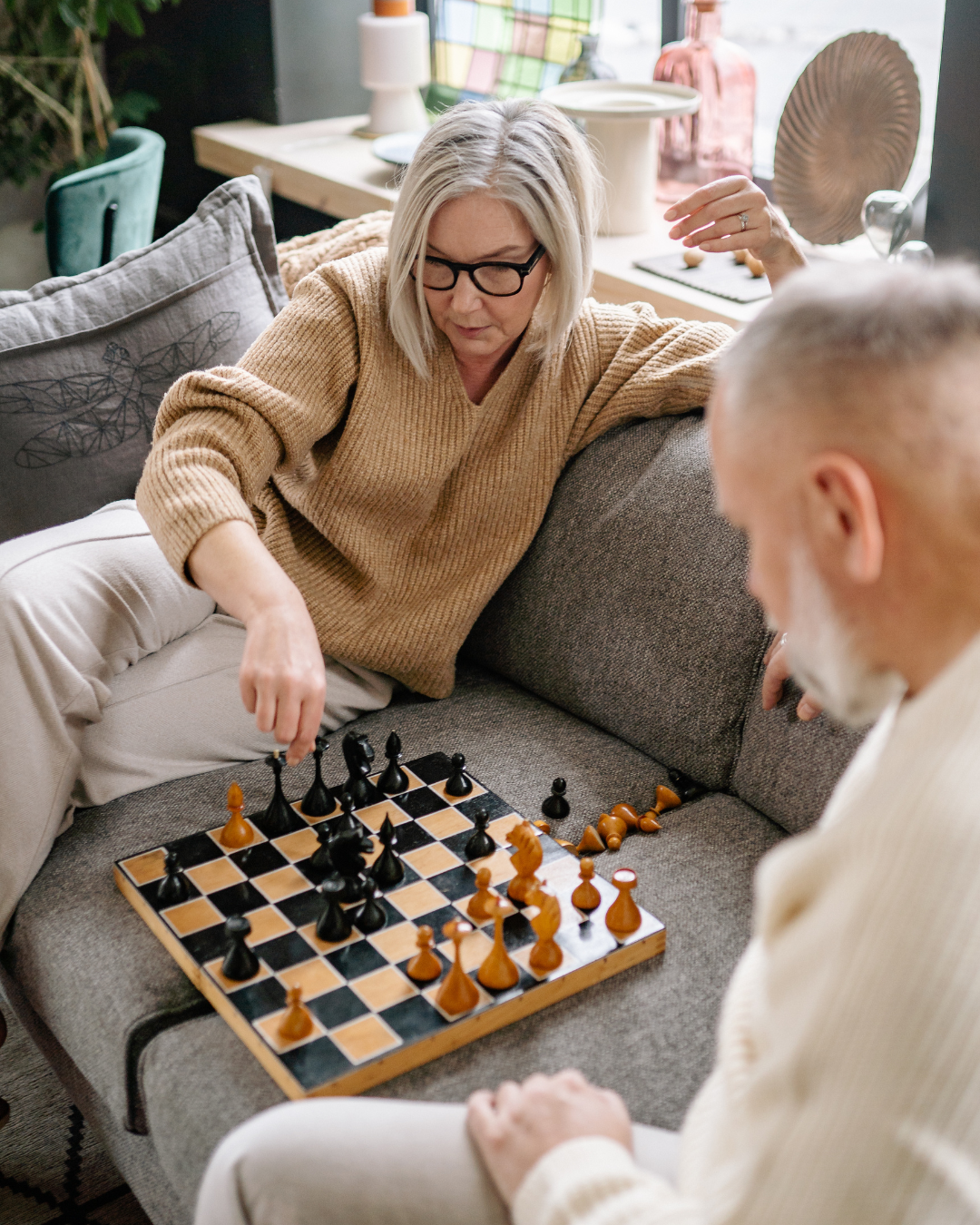
The brain thrives on use. Reading, listening to music, doing puzzles, reminiscing, or learning something new all help stimulate cognitive pathways.
The goal is not performance. The goal is engagement.
Routine Creates Stability for the Brain
Predictable routines help reduce confusion and anxiety, especially for individuals experiencing memory changes.
When the brain knows what to expect, it conserves energy and functions more smoothly. Simple routines around meals, sleep, and daily activities provide structure and comfort.
Nutrition and Hydration Matter More Than People Think
The brain relies on proper hydration and nutrients to function well. Dehydration or poor nutrition can quickly impact focus, mood, and memory.
Balanced meals and regular fluid intake support both physical and cognitive health.
Care That Supports the Whole Person
At Sharper Care Co, we approach brain health through care that is steady, respectful, and intentional. Dementia and aging related changes require patience, not pressure.
Supporting brain health is not about reversing aging. It is about creating conditions where the mind can function with dignity and stability.
In conclusion
Older Americans Month is not only a celebration of age. It is a reminder that aging well requires support systems that understand both the body and the mind.
When we care for brain health, we are not just preserving memory. We are preserving identity, independence, and connection.

A Better Mealtime Experience: Practical Changes That Make a Difference
It All Begins Here
Mealtime, the time where we normally gather around the table and share intimate details of our lives now has a different feeling associated with it and it may not be as enjoyable as it once was. Just like everything in your loved one’s life, mealtime has also taken a change but with these small adjustments, every meal can become easier, calmer, and even bring comfort.
Keep Meals Simple— Stick to foods your loved one knows and enjoys. Familiarity reduces confusion and increases the likelihood they will eat with ease
Use Bright Color Plates—Colors like red, orange, and yellow can help stimulate appetite and create contrast with food, making meals easier to see and more visually appealing.
Offer Finger Foods— Simple, easy to hold foods can promote independence, boost confidence, and reduce frustration during meals. **We have a trick to turn almost any meal into finger food.
Frequent smaller meals—Large portions can feel overwhelming. Smaller meals throughout the day are often more manageable and better tolerated.
Maintain a consistent routine— Serving meals at the same time each day creates structure and predictability, which can reduce anxiety.
Minimize Distractions— Turn off the television and reduce background noise. A calm environment and soft music can improve focus and create a more peaceful experience.
Provide Gentle Encouragement— Avoid rushing or pressuring; offer support when needed.
Mealtime doesn’t have to be stressful. Start small, picking one or two strategies from the list and try them at your next mealtime. Small changes can make a big difference